
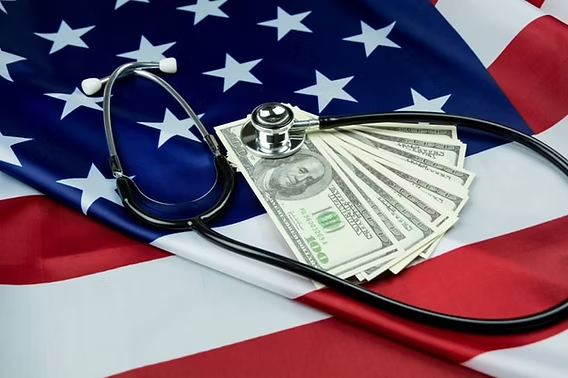
Healthcare in the United States:The United States is home to some of the world’s most advanced hospitals, highly trained medical professionals, and groundbreaking healthcare research. Every year, millions of people receive life-saving treatments, innovative surgeries, and specialized care across the country.

However, the U.S. healthcare system can also be complex, especially for first-time visitors, new residents, and even many Americans trying to understand their insurance coverage.
Whether you’re planning to live, work, study, or travel in the United States, understanding how the healthcare system works can help you make informed decisions and avoid unexpected medical expenses. Here are the top five things you need to know about healthcare in the U.S.
1. Health Insurance Is Extremely Important
One of the biggest differences between the U.S. healthcare system and many other countries is that medical treatment can be very expensive without health insurance.
A routine doctor’s visit may cost over $100, while emergency room visits, surgeries, or hospital stays can quickly add up to thousands of dollars. Health insurance helps reduce these costs by covering a significant portion of eligible medical expenses.
There are several ways people obtain health insurance in the United States:
- Employer-sponsored health plans
- Individual or family plans purchased through the Health Insurance Marketplace
- Medicare for eligible seniors and certain individuals with disabilities
- Medicaid for qualifying low-income individuals and families
Choosing the right insurance plan can make a significant difference in both healthcare access and out-of-pocket costs.
2. Healthcare Costs Can Vary Significantly
Unlike fixed-price healthcare systems in some countries, medical costs in the U.S. often vary depending on several factors, including:
- The hospital or clinic you visit
- Your insurance provider
- Whether the provider is in your insurance network
- The type of treatment you receive
- Your deductible and copayment requirements
Two patients receiving similar medical treatment at different hospitals may receive very different bills. That’s why it’s often helpful to request cost estimates for non-emergency procedures whenever possible.
3. Preventive Care Plays a Major Role
The U.S. healthcare system places increasing emphasis on preventing illnesses rather than simply treating them.
Many health insurance plans include preventive services at little or no additional cost, such as:
- Annual wellness checkups
- Vaccinations
- Blood pressure screenings
- Cholesterol tests
- Diabetes screenings
- Cancer screenings based on age and risk factors
Preventive care helps detect health problems early, often leading to better treatment outcomes and lower long-term healthcare costs.
4. Emergency Care Is Available to Everyone
If someone experiences a life-threatening medical emergency, hospitals with emergency departments are required under federal law to provide emergency evaluation and stabilization, regardless of a person’s ability to pay.
However, it’s important to understand that receiving emergency treatment does not necessarily mean the care is free. Patients are generally responsible for the costs of services provided, either through their insurance or personal payment.
Because emergency care can be expensive, understanding your insurance coverage before an emergency occurs is always beneficial.
5. Choosing In-Network Providers Can Save Money
Many health insurance plans have a network of doctors, specialists, hospitals, and clinics that have agreed to provide services at negotiated rates.
Receiving care from an in-network provider usually means:
- Lower medical bills
- Reduced copayments
- Lower deductibles
- Better insurance coverage
Visiting an out-of-network provider may result in significantly higher out-of-pocket expenses or limited insurance reimbursement.
Before scheduling appointments, it’s always wise to confirm that your doctor or hospital participates in your insurance network.
Additional Tips for Patients
Understanding the healthcare system becomes much easier when you stay informed. Here are a few practical tips:
- Keep your insurance card with you at all times.
- Review your policy before receiving non-emergency care.
- Ask questions about treatment costs when appropriate.
- Understand your deductible, copayments, and coinsurance.
- Use telehealth services when available for minor medical concerns.
- Maintain copies of important medical records and prescriptions.
Being proactive can help reduce both financial stress and confusion during medical situations.
Why Understanding Healthcare Matters
Healthcare is one of the most important aspects of personal well-being. Whether you’re managing a chronic condition, seeking preventive care, or facing an unexpected illness, understanding how the U.S. healthcare system works allows you to make smarter decisions and access the care you need.
While navigating insurance plans and medical billing may seem complicated at first, learning the basics can help you avoid costly surprises and ensure you receive timely treatment.
Final Thoughts
The U.S. healthcare system offers access to some of the world’s most advanced medical technology and highly skilled healthcare professionals. At the same time, it requires patients to understand insurance coverage, provider networks, and medical costs.
By remembering these five key points—having health insurance, understanding healthcare costs, using preventive care, knowing how emergency services work, and choosing in-network providers—you’ll be better prepared to navigate the healthcare system with confidence.
Frequently Asked Questions (FAQs)
Q1. Is health insurance mandatory in the United States?
There is no nationwide requirement for everyone to have health insurance, but coverage is strongly recommended due to the high cost of medical care.
Q2. Can I receive emergency treatment without insurance?
Yes. Hospitals must provide emergency evaluation and stabilization, but you may still be responsible for the medical costs.
Q3. What does “in-network” mean?
An in-network provider has a contract with your insurance company to offer services at negotiated rates, helping reduce your out-of-pocket expenses.
Q4. Why is preventive care important?
Preventive care helps detect illnesses early, improves long-term health outcomes, and may reduce future healthcare costs.
