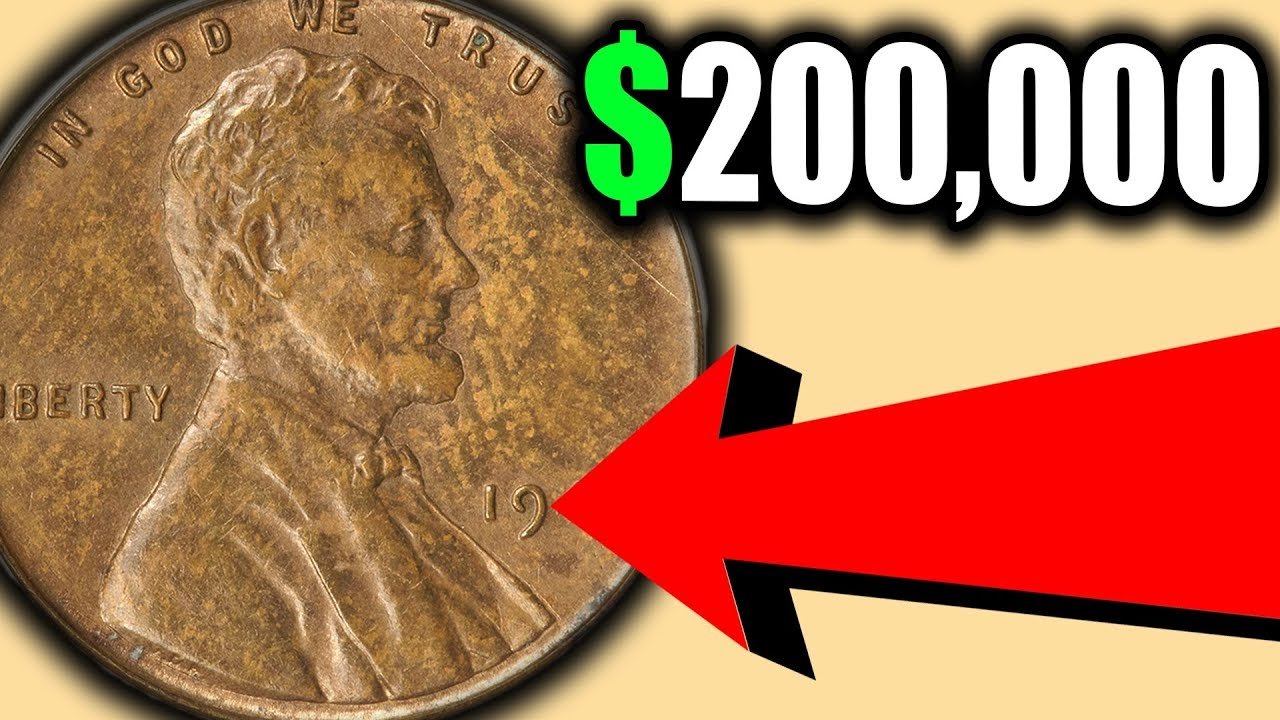
Have you ever emptied your pockets at the end of the day and tossed a handful of coins into a jar without giving them a second thought? Most of us do it all the time. But what if one of those ordinary-looking coins was actually worth hundreds—or even thousands—of dollars?
While truly rare coins are uncommon, valuable coins do occasionally turn up in everyday circulation, old piggy banks, inherited collections, and forgotten drawers. Their value may come from low mintages, unique minting errors, precious metal content, or strong demand among collectors.
Here are 15 coins that collectors often watch for. If you find one, it may be worth having it examined by a reputable coin dealer or grading service.
1. 1943 Copper Lincoln Penny
Most 1943 pennies were made from zinc-coated steel due to wartime metal shortages. However, a small number were mistakenly struck in copper. These are among the most famous error coins in U.S. history and can be worth substantial sums if authentic.
2. 1955 Doubled Die Lincoln Cent
This penny features one of the best-known minting errors. The date and lettering appear noticeably doubled, making it easy to recognize without magnification. Authentic examples are highly sought after.
3. 1969-S Doubled Die Lincoln Cent
Another famous doubled-die variety, this coin displays strong doubling on the obverse. Because counterfeit versions exist, professional authentication is recommended.
4. 1972 Doubled Die Penny
Some 1972 pennies show visible doubling on the front of the coin. Higher-grade examples generally attract the greatest interest from collectors.
5. 1983 Doubled Die Reverse Penny
Instead of doubling on the front, this variety shows noticeable doubling on the reverse lettering. It remains a favorite among Lincoln cent collectors.
6. 1992 Close AM Lincoln Cent
On certain 1992 pennies, the letters “A” and “M” in “AMERICA” appear unusually close together. This small design difference has made the variety valuable among collectors.
7. 1995 Doubled Die Penny
Although less dramatic than the famous 1955 version, the 1995 doubled die penny is still collectible and occasionally found in circulation.
8. 2004 Wisconsin Extra Leaf Quarter
Some Wisconsin state quarters feature what appears to be an extra leaf on the corn stalk due to a die error. Both the “High Leaf” and “Low Leaf” varieties are popular.
9. 1970-S Small Date Penny
Collectors pay close attention to this variety because distinguishing it from the large-date version can significantly affect value.
10. 1982 No Mint Mark Roosevelt Dime
Certain Roosevelt dimes from 1982 were mistakenly struck without the expected mint mark. These coins are uncommon and collectible.
11. 2005 Kansas “In God We Rust” Quarter
A grease-filled die caused part of the word “TRUST” to disappear, creating the humorous phrase “In God We Rust.” This mint error remains well known among collectors.
12. 1932-D Washington Quarter
As one of the first Washington quarters, the Denver issue had a relatively low mintage. Well-preserved examples are especially desirable.
13. 1932-S Washington Quarter
Like its Denver counterpart, the San Francisco issue also had a low production, making it a key date for Washington quarter collectors.
14. 1916-D Mercury Dime
Although it’s unlikely to appear in everyday change today, inherited collections sometimes contain this famous Mercury dime. Genuine examples are among the series’ key dates.
15. 1964 Kennedy Half Dollar
These half dollars contain 90% silver, giving them intrinsic precious-metal value in addition to collector interest, particularly in excellent condition.
How to Check Your Pocket Change
Looking for valuable coins doesn’t require expensive equipment. Start by:
- Checking the coin’s date and mint mark.
- Looking for unusual lettering or doubling.
- Examining the coin under good lighting.
- Comparing it with reliable reference images.
- Avoiding cleaning the coin, as cleaning can reduce collector value.
A simple magnifying glass can help reveal details that are difficult to see with the naked eye.
Don’t Believe Every Viral Claim
Social media often features videos claiming that common coins are worth millions. While some rare coins have sold for impressive prices, those examples are exceptional. Most coins found in circulation are worth only their face value.
The true value of a coin depends on its authenticity, rarity, condition, and collector demand. Professional grading is often necessary for high-value pieces.
Final Thoughts
Checking your spare change can be both fun and rewarding. While the odds of finding a rare coin are relatively small, valuable discoveries still happen every year. Whether it’s a doubled-die penny, a mint error quarter, or a silver half dollar, taking a closer look at the coins you already have could uncover an unexpected treasure.
The next time you receive change at a store, don’t rush to spend it. A few minutes of careful inspection might reveal a coin that collectors have been searching for.
FAQs
Q1. Are valuable coins still found in circulation?
Yes. Although uncommon, collectible coins and mint errors are occasionally discovered in everyday pocket change.
Q2. Should I clean a coin before selling it?
No. Cleaning can damage the coin’s surface and reduce its collector value.
Q3. How can I verify whether my coin is valuable?
Compare it with trusted coin references and consider having it authenticated by a reputable coin dealer or professional grading service.
Q4. Does an old coin automatically have value?
Not necessarily. A coin’s worth depends on factors such as rarity, condition, mint errors, and collector demand—not simply its age.
