
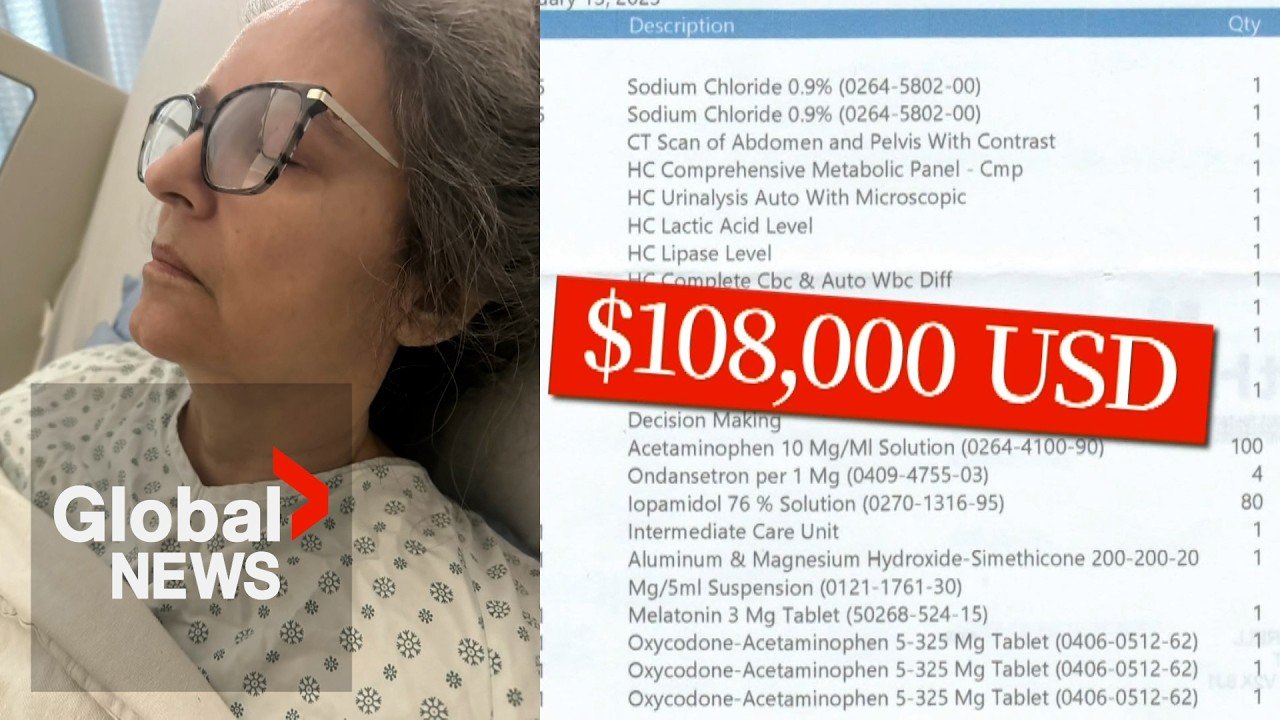
Traveling abroad is often associated with excitement, relaxation, and unforgettable experiences. However, for one British Columbia woman, a vacation to the United States turned into a financial nightmare after she received a staggering US $108,000 hospital bill following a medical emergency. The incident has sparked renewed discussions about the importance of understanding travel health insurance coverage before leaving Canada.
A Vacation That Took an Unexpected Turn
The woman, a resident of British Columbia, was enjoying her trip to the United States when she suddenly experienced a serious medical condition that required emergency hospitalization. She was rushed to a nearby hospital where doctors provided immediate treatment and kept her under observation.
While the medical care helped stabilize her condition, the cost of treatment was shocking. Shortly after leaving the hospital, she received a bill totaling US $108,000, an amount that would be financially overwhelming for most families.
The case quickly attracted public attention, highlighting the significant differences between healthcare costs in Canada and the United States.
Why Medical Bills Are So High in the US
Unlike Canada, where medically necessary hospital care is covered through provincial healthcare systems, the United States has one of the world’s most expensive healthcare systems.
Emergency room visits, ambulance services, specialist consultations, diagnostic tests, surgeries, and even a short hospital stay can generate enormous medical bills. For international visitors without sufficient insurance coverage, these expenses must often be paid out of pocket.
Many travelers mistakenly assume that their provincial health plan will cover them while abroad. In reality, provincial plans generally provide only limited reimbursement for emergency medical services received outside Canada.
The Travel Insurance Problem
According to reports surrounding the case, the woman believed she had travel insurance. However, questions later arose regarding the extent of her policy coverage and whether certain medical conditions qualified for reimbursement.
Travel insurance policies often include exclusions related to:
- Pre-existing medical conditions
- Undisclosed health issues
- Policy waiting periods
- Activities considered high risk
- Failure to meet eligibility requirements
Even a small misunderstanding during the application process can sometimes result in denied claims or reduced benefits.
This situation serves as a reminder that travelers should carefully read policy documents instead of relying solely on promotional summaries.
How Travelers Can Protect Themselves
Experts recommend purchasing comprehensive travel medical insurance before leaving the country, especially when visiting destinations with expensive healthcare systems.
Before buying a policy, travelers should:
- Read the policy wording carefully.
- Declare all existing medical conditions honestly.
- Verify emergency medical coverage limits.
- Understand exclusions and waiting periods.
- Keep copies of insurance documents while traveling.
- Save the insurer’s emergency assistance contact number.
If hospitalization becomes necessary, contacting the insurance provider as soon as possible can help coordinate care and reduce claim complications.
Financial and Emotional Stress
Receiving a six-figure medical bill can create enormous emotional stress in addition to health concerns.
Unexpected debt may affect personal finances for years, particularly if insurance claims are denied or only partially approved. Families often face uncertainty while trying to negotiate hospital charges, appeal insurance decisions, or arrange payment plans.
For many Canadians, stories like this reinforce the value of spending a little more on comprehensive travel insurance instead of choosing the lowest-priced option.
A Lesson for Every Traveler
International travel offers incredible opportunities, but medical emergencies can happen without warning.
Healthcare systems vary significantly from country to country, and treatment costs that seem unimaginable in Canada may be standard elsewhere. Understanding insurance coverage before departure is one of the simplest ways to avoid potentially devastating financial consequences.
This British Columbia woman’s experience is an important reminder that travel planning should include more than booking flights and hotels. Reviewing insurance details with the same attention given to passports and travel documents could save thousands—or even hundreds of thousands—of dollars.
Final Thoughts
The US $108,000 hospital bill faced by this BC traveler illustrates how quickly an enjoyable vacation can become a financial crisis. While emergency medical care is invaluable during serious health situations, the cost of treatment abroad can be overwhelming without adequate insurance.
Before your next international trip, take time to review your travel health insurance policy, understand exactly what is covered, and ask questions if anything is unclear. A few minutes of preparation today could prevent a lifetime of financial stress tomorrow.
Frequently Asked Questions (FAQs)
Q1. Why was the hospital bill so expensive?
Medical care in the United States is significantly more expensive than in Canada, especially emergency hospital services.
Q2. Does Canadian provincial healthcare cover treatment in the US?
Generally, provincial health plans provide only limited reimbursement for emergency medical care received outside Canada.
Q3. Can travel insurance deny a medical claim?
Yes. Claims may be denied if policy conditions are not met, such as exclusions for undisclosed pre-existing medical conditions or other eligibility requirements.
Q4. What is the best way to avoid unexpected medical bills while traveling?
Purchase comprehensive travel medical insurance, disclose your medical history accurately, and carefully review your policy before traveling.
