
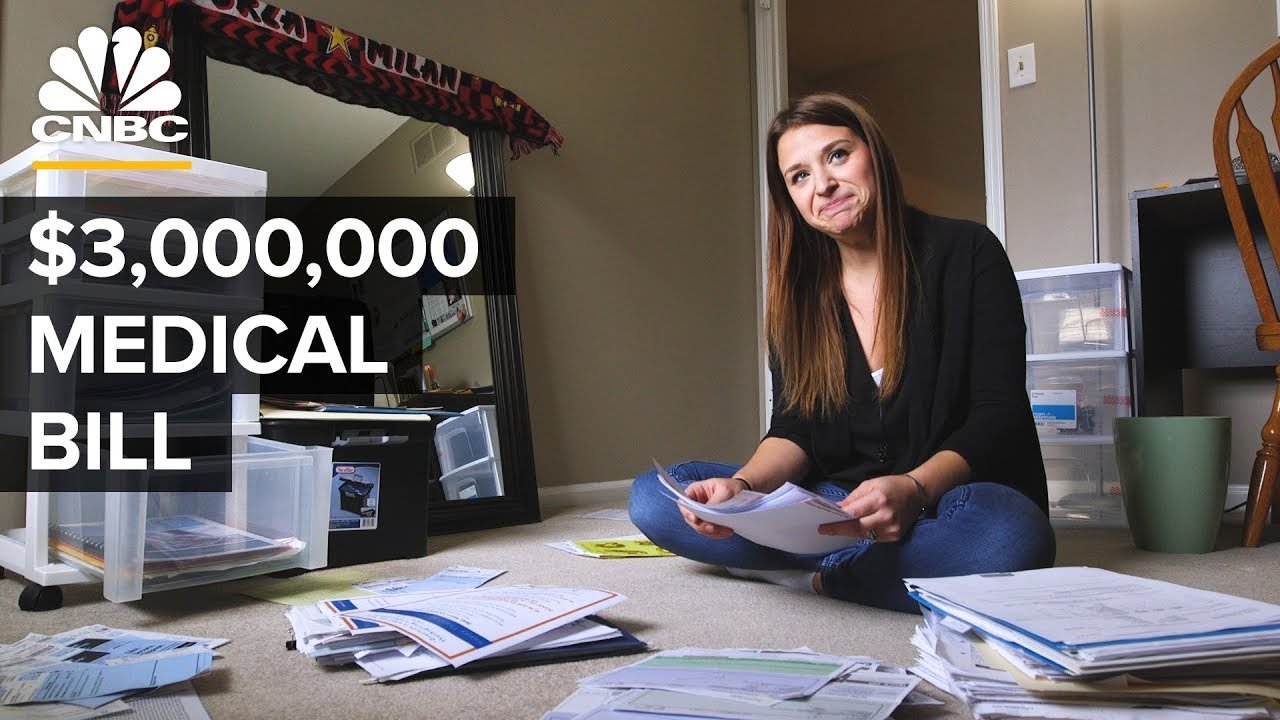
For many people around the world, one of the biggest surprises about the United States is the cost of healthcare. Stories of patients receiving hospital bills worth tens of thousands—or even hundreds of thousands—of dollars are not uncommon. Even a short visit to the emergency room can result in a bill that leaves families struggling financially.
So why are medical bills in the US so expensive? The answer isn’t simple. Several factors work together to make healthcare in America one of the costliest systems in the world. Understanding these reasons can help patients make informed decisions and prepare for unexpected medical expenses.
A Healthcare System Built Around Multiple Payers
Unlike many countries that operate a government-funded healthcare system, the United States relies on a combination of private insurance companies, government programs, employers, and individual payments.
Hospitals and healthcare providers must deal with hundreds of different insurance plans, each with its own rules, reimbursement rates, and paperwork. Managing these complex billing systems requires large administrative teams, and those costs are ultimately reflected in patients’ medical bills.
High Cost of Hospital Services
Running a modern hospital is extremely expensive. Hospitals invest heavily in advanced medical equipment, specialized operating rooms, intensive care units, emergency departments, and around-the-clock staffing.
Doctors, nurses, pharmacists, technicians, and other healthcare professionals require years of education and ongoing training. Their salaries, combined with the costs of maintaining facilities and purchasing medical supplies, contribute significantly to overall healthcare expenses.
While these investments help provide high-quality medical care, they also increase the final bill patients receive.
Prescription Drugs Can Be Costly
Prescription medications are another major reason healthcare costs remain high in the United States.
Unlike many countries where governments negotiate drug prices nationwide, medication pricing in the US often depends on negotiations between pharmaceutical companies, insurance providers, and pharmacy benefit managers.
As a result, certain brand-name medications can cost far more than they do in other countries. Patients without insurance may pay the full retail price, making long-term treatment especially expensive.
Advanced Technology Comes at a Price
The United States is known for adopting cutting-edge medical technology. Hospitals frequently use advanced imaging equipment, robotic surgical systems, genetic testing, and innovative treatment options.
These technologies improve diagnosis and patient outcomes, but they are expensive to purchase, maintain, and operate. Hospitals often recover these investments through higher service charges.
While many patients benefit from access to the latest treatments, the financial impact is reflected in healthcare costs.
Insurance Doesn’t Always Mean Low Costs
Many people assume that having health insurance eliminates expensive medical bills. Unfortunately, that’s not always the case.
Most insurance plans include expenses such as:
- Deductibles
- Copayments
- Coinsurance
- Out-of-network charges
- Services not fully covered by the policy
Patients may still owe thousands of dollars after insurance pays its portion of the bill, particularly following surgeries, hospital stays, or emergency treatment.
Emergency Care Is Particularly Expensive
Emergency departments operate 24 hours a day and must be prepared to treat everything from broken bones to life-threatening conditions at any moment.
Maintaining emergency services requires specialized staff, equipment, and immediate access to life-saving treatments. Because hospitals must remain ready regardless of patient volume, emergency care tends to cost significantly more than routine medical visits.
Even tests such as CT scans, MRIs, blood work, and ambulance transportation can quickly increase the total bill.
Administrative Costs Add Up
A surprisingly large portion of healthcare spending goes toward administration rather than direct patient care.
Hospitals employ billing specialists, insurance coordinators, compliance officers, legal teams, and coding experts to manage complex reimbursement systems. These administrative expenses are much higher than in many other developed countries and contribute to rising healthcare costs.
Can Patients Reduce Medical Expenses?
Although healthcare costs can be high, patients have options that may help lower expenses. Comparing healthcare providers, choosing in-network hospitals, requesting cost estimates before non-emergency procedures, reviewing medical bills for errors, and discussing payment plans with hospitals can all make a difference.
For international travelers, purchasing comprehensive travel medical insurance before visiting the United States is one of the best ways to protect against unexpected healthcare costs.
Final Thoughts
Medical bills in the United States are expensive because of a combination of factors, including complex insurance systems, high hospital operating costs, costly prescription drugs, advanced medical technology, administrative expenses, and the price of emergency care. While the system delivers world-class treatments and medical innovation, those benefits often come with significant financial costs.
Understanding how the US healthcare system works can help patients make smarter healthcare decisions, prepare financially, and avoid unexpected surprises. Whether you’re a US resident or an international visitor, being informed is one of the best ways to navigate the challenges of medical expenses.
Frequently Asked Questions (FAQs)
Q1. Why are US hospital bills higher than in many other countries?
Because of higher operating costs, complex insurance systems, expensive medical technology, and administrative expenses.
Q2. Does health insurance cover all medical costs?
No. Many insurance plans require patients to pay deductibles, copayments, coinsurance, or uncovered services.
Q3. Why is emergency medical care so expensive?
Emergency departments operate 24/7 with specialized staff and equipment, making them costly to maintain.
Q4. Can international visitors reduce the risk of high medical bills?
Yes. Purchasing comprehensive travel medical insurance before visiting the United States can provide valuable financial protection during medical emergencies.
